Carpets, dust mites and allergies: what actually helps
What dust mites need, how carpets fit in, and the steps that do the most good in a humid city, along with what cleaning can't do.
Please note that this article is general information and isn't medical advice. If you or your child has allergies or asthma, a doctor is the right person to guide you on what matters most.
What dust mites need
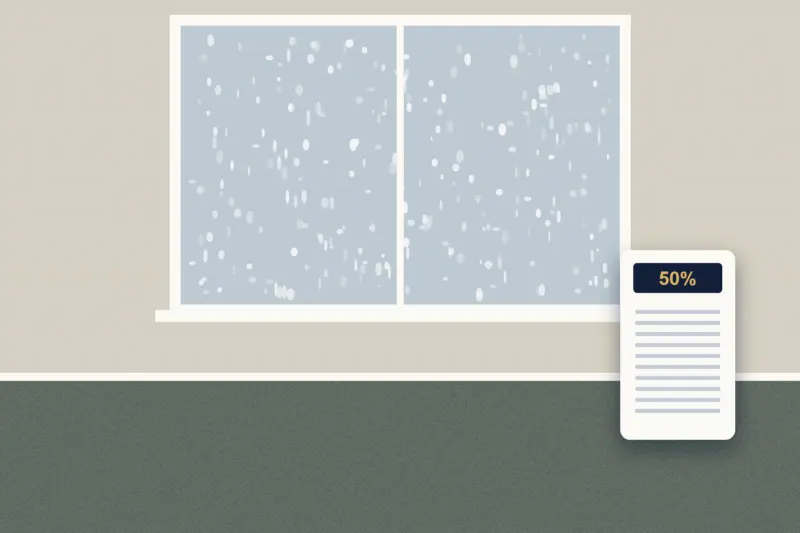
Dust mites are tiny creatures that feed largely on skin flakes. They thrive where it's warm and damp. According to Cigna Hong Kong's guidance on dust mite allergies, carpets are among their common hiding places, and it recommends keeping indoor relative humidity at 50% or lower.
Hong Kong has an obvious challenge there. The Observatory's long-term figures show mean relative humidity of 78% across the year. So humidity control tends to matter a lot.
Where carpets fit in
Carpets, rugs, sofas, mattresses, and soft toys all hold dust, so they all give mites a place to live. A carpet isn't the only source, and often isn't the biggest one. The bed is usually where people spend the most time close to allergens.
What helps most
1. Control humidity. Use a dehumidifier or air-conditioning and check levels with a hygrometer. Aim for 50% or lower where you can, especially in the bedroom.
2. Start with the bedroom. Wash bedding regularly at a high enough temperature for the fabric, and consider allergen-proof covers for mattresses and pillows.
3. Vacuum properly. Use a vacuum with a good filter, like a HEPA filter, so dust isn't thrown back into the air. Go slowly and regularly. Ideally, someone who isn't allergic should do it, since vacuuming can stir up dust for a while.
4. Clean the carpet periodically. Regular professional cleaning removes dust and debris from deep in the pile, where a vacuum struggles to reach. Our guide to how often to clean your carpet suggests intervals.
5. Don't forget the sofa. Fabric furniture collects dust, too. See sofa and upholstery cleaning.
6. Reduce clutter. Fewer soft furnishings and fewer dust traps in the bedroom make everything easier to manage.
What cleaning can't do
We'd love to tell you a carpet clean will solve your allergies. It won't, at least not alone.
- Mites come back if conditions stay favourable
- Cleaning doesn't treat allergies, asthma or any health condition
- Be careful about any claims that promise a certain percentage of mites removed, or that a carpet is completely allergen-free
What cleaning can do is remove a lot of accumulated dust, which is a sensible part of a wider routine.
Ask about products and drying
If someone in your household is sensitive, tell your cleaner in advance. Ask which products are used, and whether a fragrance-free option is available. Make sure the carpet dries properly too, since a carpet left damp creates just the conditions mites and mould like. It's worth reading carpet mould and humidity in Hong Kong as well.
Could it be mould?
If symptoms are worse in one particular room, or there's a musty smell, it may be worth considering mould as well as dust mites. A doctor can advise you on testing for specific allergies.