Carpet steam cleaning (hot water extraction)
'Steam cleaning' is what most people call hot water extraction. It's the method we use most, because it rinses dirt out of a carpet instead of just moving it around.
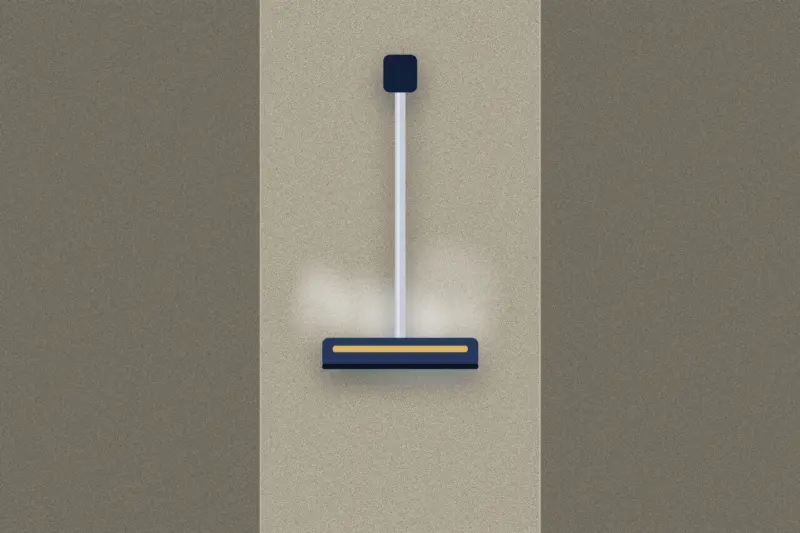
Despite the name, a steam cleaner doesn't clean carpet with steam. A solution of hot water and suitable cleaning agents goes into the pile under pressure, loosening dirt, and a powerful vacuum immediately pulls it back out. "Hot water extraction" is the technically accurate name for it.
Why it works so well
Its main advantage is that it takes dirt out of the carpet. Methods that only brush the surface can leave soil behind, deeper in the pile. Extraction reaches further down and removes what it loosens, along with any solution it used.
It's particularly good at dealing with:
- Ground-in soil and greying in busy areas
- Dust held deep in the pile
- Sticky residue left over from past cleaning
- General odours from food, pets and daily life
When it's the right choice
For most fitted nylon and polypropylene carpets, it's usually our first choice. It also suits many wool carpets when handled carefully, using suitable products and lower temperatures.
When it isn't
- Natural plant fibres like sisal and jute can mark or brown when wet
- Silk and viscose can be permanently damaged by water
- Rugs with unstable dyes can bleed
- Carpet tiles with sensitive adhesives need moisture carefully limited
- Spaces that must reopen within a couple of hours may suit a low-moisture method better
If yours falls into any of these groups, tell us. We'll suggest something else, or we'll tell you it's a job for a specialist. Our guide to carpet cleaning methods compares the options, including carpet shampooing and dry cleaning.
Steam cleaning or deep cleaning?
Hot water extraction is a method. Deep cleaning is a fuller programme for carpets that have gone a long time without proper attention. It involves more stages before and after the wash. If your carpet's only moderately dirty, extraction with our standard preparation is usually enough.
The steps before and after
Extraction alone isn't the whole job. Vacuuming comes first, because water turns dry grit into mud. A rinse comes after, since any detergent residue left behind would attract new dirt. You can see how it all fits together on our process page.
Drying after extraction
The carpet will be damp, not soaked. How fast it dries depends on the fibre, thickness, weather and airflow: thin synthetic carpets are usually fastest, and thick wool in spring is slowest. On humid days, it's better to close the windows and use air-conditioning or a dehumidifier.
Cost
Extraction is usually priced by area, with a higher rate for wool and heavy soiling. See our cost guide.
Frequently asked questions
Does steam cleaning damage carpet?
Done correctly on a suitable carpet, it shouldn't. Problems usually come from too much water, too much heat on sensitive fibres, or poor drying. That is why we check the fibre first and control the moisture.
Does hot water extraction kill dust mites?
It removes dust and the debris mites feed on, and it can reduce mite numbers. It does not permanently solve the problem, because mites return if humidity stays high. Keeping indoor humidity down helps too.
Is a rented steam machine just as good?
Home and rental machines are useful, but they generally have less suction, so they can leave more water and dirt behind. Our article on professional and DIY cleaning explains when each makes sense.
Related services

Carpet Deep Cleaning
A full staged clean for carpets that have gone years without one, or that have heavy soiling.
Office Carpet Cleaning
Carpet tiles, meeting rooms and open-plan floors, cleaned around working hours and building rules.
Residential Carpet Cleaning
Fitted carpets and rugs at home, cleaned around children, pets, furniture and small lifts.
Get a quote for carpet steam cleaning
The quickest way is to send a few photos. If it is easier, call us or leave your number and we will call you.