How to remove common carpet stains
What to do in the first few minutes, and how to treat coffee, wine, grease, blood, ink and pet accidents without making them worse.
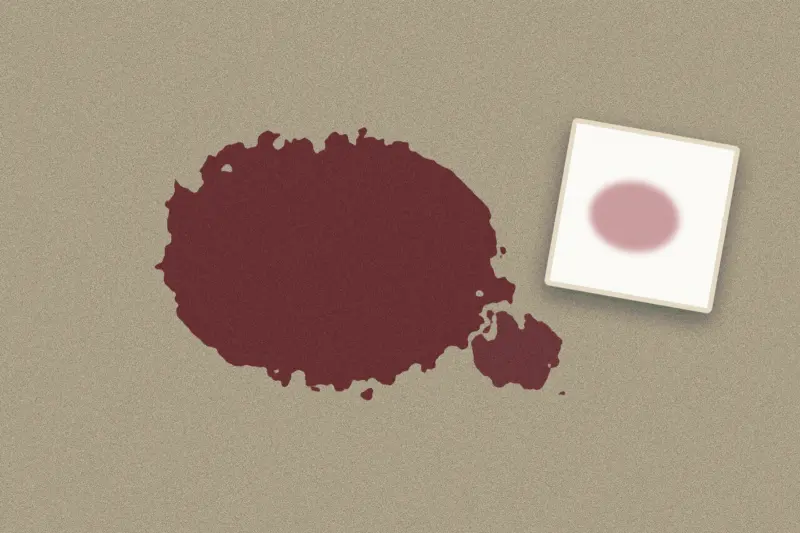
Most damage from stains isn't caused by the spill. It's caused by what happens next: scrubbing, pouring on bleach, and trying three products in a row. Here's how to give yourself the best chance.
The first five minutes
- Scrape up any solids gently with a spoon.
- Blot with a clean white cloth or paper towel. Press, lift and repeat with a clean section.
- Work from the outside in, so the stain doesn't spread.
- Don't rub. It pushes the stain deeper and frays the pile.
- Test any product on a hidden spot before you use it.
A simple cleaning solution
For most fresh, water-based stains: a few drops of mild, clear dish detergent in a cup of cool or lukewarm water. Apply with a white cloth, blot, and repeat. Then blot with clean water to rinse, since leftover soap attracts dirt. Finish by pressing dry with a towel.
Treating specific stains
Coffee and tea. Blot, use the mild detergent solution, and rinse. Older marks may leave a shadow.
Red wine. Blot right away and keep going with the detergent solution. Don't rely on salt or white wine as a cure.
Grease and cooking oil. Water alone won't help. Sprinkle on baking soda or cornflour to absorb what you can, leave it for a while, and vacuum. Then use the detergent solution.
Blood. Cold water only, because heat sets it. Blot with cold water and a little detergent solution.
Ink. It depends on the ink. Blot gently with a small amount of rubbing alcohol on a cloth, testing it first, since it can affect some dyes. Stop if the ink starts to spread.
Chewing gum and candle wax. Freeze gum with an ice pack and chip it off. For wax, chip off what you can, and then get professional advice before applying heat to the carpet.
Pet urine. Blot thoroughly, and rinse with a little cool water, blotting again. Enzyme-based pet stain products can help. Avoid steam or hot water, since heat can set the smell. If it's been repeatedly soiled in one spot, it may have reached the underlay.
Mud. Let it dry completely, then vacuum. It's a lot easier than working with wet mud.
Things that make stains worse
- Bleach, which removes colour permanently
- Rubbing, which damages fibres
- Too much water, which spreads the stain and soaks the backing
- Too much soap, which leaves a sticky patch that gets dirty quickly
- Mixing products, which can be dangerous and can make a stain harder to remove
- Hot water on wool, which can damage the fibres
Why does the stain keep coming back?
If a spot seems to come back as it dries, that's usually wicking. Residue from deep in the pile or backing rises to the surface as the moisture evaporates. Fixing it takes a thorough rinse and extraction, not more surface treatment.
When to stop and get help
Stop and ask for help if the stain is on wool, silk or a valuable rug; if the colour starts to change; if you've already tried several products; or if there's an odour that won't go away. Tell the cleaner what you've used. It affects what they can safely do next.
Our carpet stain removal page explains what can and can't be fixed. Feel free to send us a photo.